Get Electrical Panel Installation
Electrical panel installation services help property owners upgrade, replace, or install panels to ensure safe, reliable power distribution for various home or building projects.
Electrical panel installation is a key step in ensuring a property’s electrical system is safe, efficient, and ready to support modern demands. Whether upgrading an outdated panel, preparing a property for new appliances, or ensuring compliance with current standards, property owners often seek reliable local contractors to handle this work. Exploring your options and comparing experienced service providers can help in planning a project that meets your specific needs and provides peace of mind.
By considering local contractors for electrical panel installation, property owners can access knowledgeable professionals familiar with the area's building codes and electrical requirements. Taking the time to review and connect with qualified service providers can make the planning process smoother and ensure the work is completed to professional standards. Keep reading to learn more about how to find the right local experts for your electrical upgrade needs.
- individuals installing new electrical panels during home renovations to ensure proper power distribution. - businesses upgrading outdated electrical systems to meet current safety standards and capacity needs. - property owners adding subpanels to accommodate additional circuits or appliances. - facilities requiring panel replacements due to damage, wear, or electrical code updates. - commercial spaces installing specialized electrical panels for equipment or security systems.
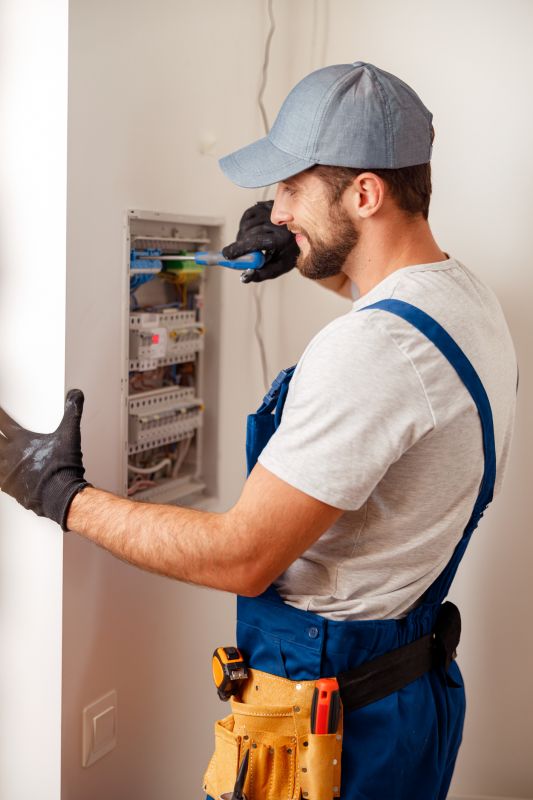
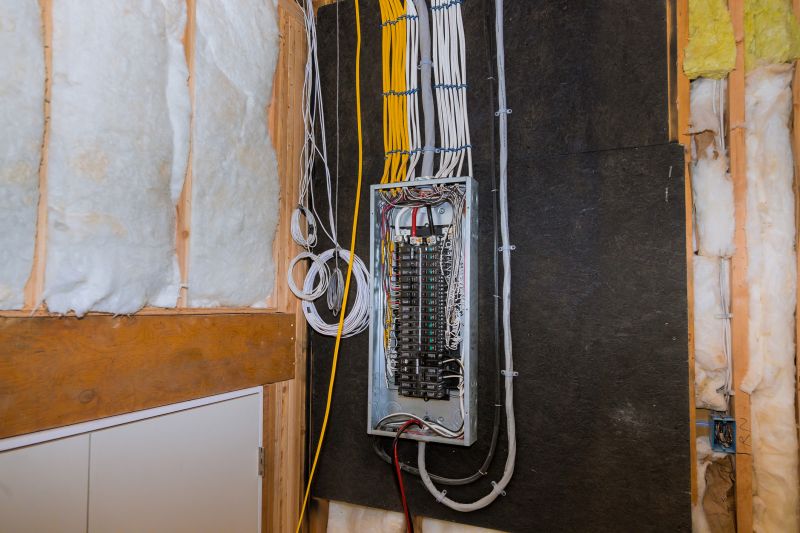
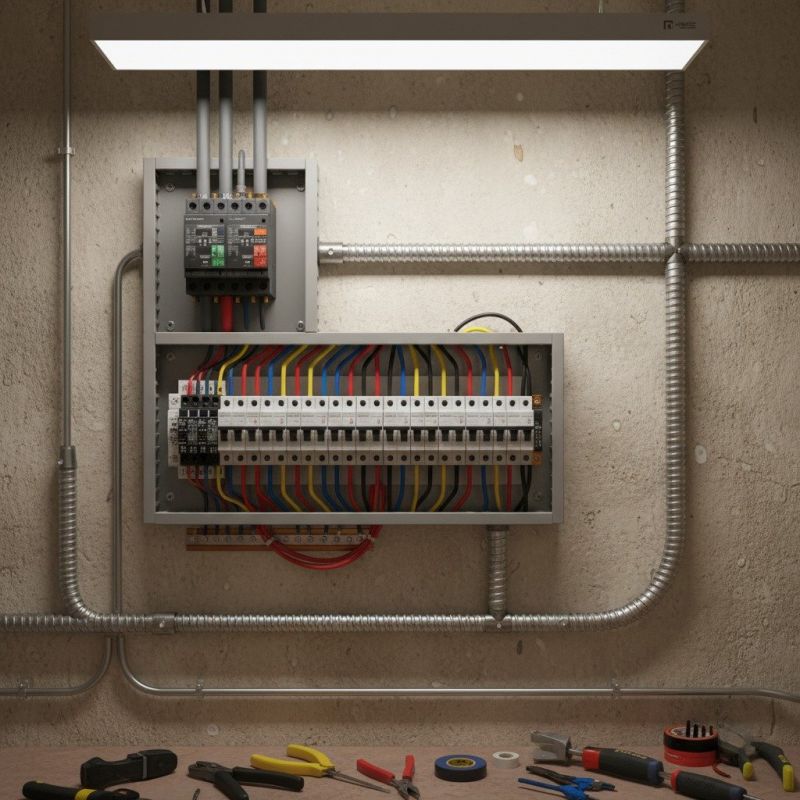
Electrical panel installation services involve setting up or replacing the main electrical distribution point in a property. This process includes installing a new panel or upgrading an existing one to ensure it meets the electrical demands of the property. Proper installation is essential for safely managing the flow of electricity throughout a home or commercial space and for accommodating additional circuits or modern appliances. Local contractors who specialize in electrical panel work can assess the specific needs of a property and recommend the appropriate type and size of panel to support current and future electrical requirements.
These services help address common electrical problems such as frequent circuit breaker trips, outdated panels that no longer meet safety standards, or insufficient capacity to support new appliances or renovations. An upgraded electrical panel can improve overall safety by reducing the risk of electrical fires caused by overloaded circuits. Additionally, a properly installed panel ensures reliable power distribution, minimizing outages and electrical issues that can disrupt daily routines or business operations. For properties experiencing electrical issues or planning significant upgrades, professional panel installation offers a practical solution to improve safety and functionality.
Electrical panel installation is typically needed for a variety of property types, including single-family homes, multi-unit residential buildings, and commercial properties. Homeowners might require a new or upgraded panel when renovating, expanding, or experiencing electrical problems. Commercial property owners often need robust panels capable of supporting larger loads for equipment and lighting. Additionally, properties with outdated panels-such as fuse boxes or early circuit breaker models-may benefit from modern replacements to meet current safety codes and electrical standards. Local service providers are equipped to handle installations across these different property types, ensuring the electrical system is safe, efficient, and capable of supporting the property’s needs.
Knowing when to consider electrical panel installation can prevent larger issues down the line. Signs such as frequent breaker trips, flickering lights, burning smells near the panel, or the presence of an outdated fuse box indicate it may be time for an upgrade. If planning a home addition, new appliances, or electrical system improvements, consulting with local contractors can help determine whether a new panel is necessary. By choosing experienced professionals for installation, property owners can ensure their electrical systems are properly configured to handle current demands while maintaining safety and reliability.
The overview below groups typical Electrical Panel Installation projects into broad ranges so you can see how smaller, mid-sized, and larger jobs often compare in your area.
In many markets, a large share of routine jobs stays in the lower and middle ranges, while only a smaller percentage of projects moves into the highest bands when the work is more complex or site conditions are harder than average.
Smaller Repairs - Typical costs for minor electrical panel repairs or upgrades generally range from $250 to $600. Many routine jobs fall within this middle range, though prices can vary based on specific issues and parts needed.
Panel Replacement - Replacing an existing electrical panel usually costs between $1,000 and $3,000. Larger, more complex replacements can reach $4,000 or more, but most projects tend to fall into the lower to mid-range brackets.
Full Panel Installation - Installing a new electrical panel in a new or renovated property often costs between $2,500 and $6,000. Costs can vary depending on the panel size, electrical load requirements, and local labor rates.
Large or Custom Projects - Extensive electrical panel upgrades for commercial or high-capacity needs can exceed $10,000. These projects are less common and typically involve significant modifications or custom work by local contractors.
Actual totals will depend on details like access to the work area, the scope of the project, and the materials selected, so use these as general starting points rather than exact figures.
Commercial Electrical Wiring - this project involves installing and upgrading electrical systems in commercial buildings, requiring similar planning and knowledge of electrical panels.
Electrical System Upgrades - upgrading existing electrical systems often includes replacing or adding electrical panels to meet increased power demands.
Generator Installation - installing backup generators involves integrating with existing electrical panels and ensuring proper wiring and connections.
Lighting Control Systems - designing and installing advanced lighting systems often require modifications to electrical panels for proper power distribution.
Home Automation Wiring - integrating smart home systems involves working with electrical panels to support additional wiring and device connections.
Electrical Troubleshooting - diagnosing and repairing electrical issues often involves inspecting and working around electrical panels to identify faults.
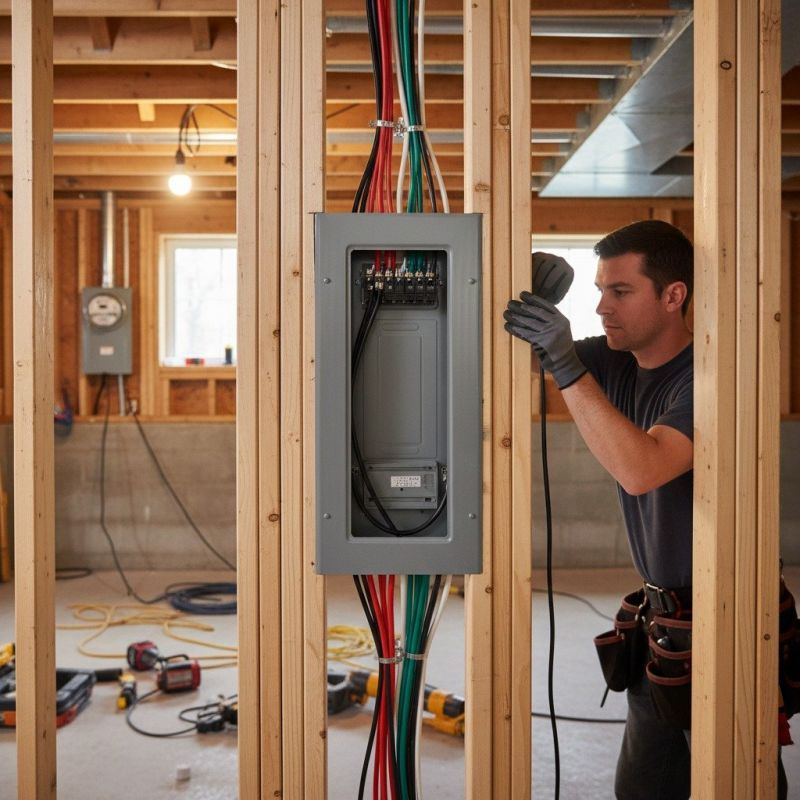
When evaluating electrical panel installation services, it’s important to consider the experience of local contractors with similar projects. Homeowners should look for service providers who have a history of completing electrical panel upgrades or replacements comparable to the scope of their own needs. This familiarity can indicate a contractor’s ability to handle the specific requirements of the job efficiently and effectively. Asking for examples of past work or verifying references can provide insight into their expertise and reliability, helping homeowners feel more confident in their choice of a service provider.
Clear written expectations are a key part of a successful project. Homeowners should seek out local pros who provide detailed, understandable descriptions of the services they offer, including the scope of work, materials used, and any other relevant details. Having this information in writing helps ensure everyone is on the same page and reduces the risk of misunderstandings. It also allows homeowners to compare different service providers more easily, making it easier to identify which contractors are transparent and thorough in their communication.
Good communication is essential for a smooth and satisfactory electrical panel installation process. Homeowners should prioritize local contractors who are responsive, approachable, and willing to answer questions throughout the project. Clear communication can help address concerns early on and keep the project moving forward without unnecessary delays. While the site introduces homeowners to local options, it’s important to remember that it does not perform the work itself; selecting a reputable, communicative service provider can ultimately lead to a more positive experience and a successful upgrade.
Property owners use Electrical Panel Installation services for practical projects around their homes and businesses. This guide focuses on everyday jobs and straightforward project options.
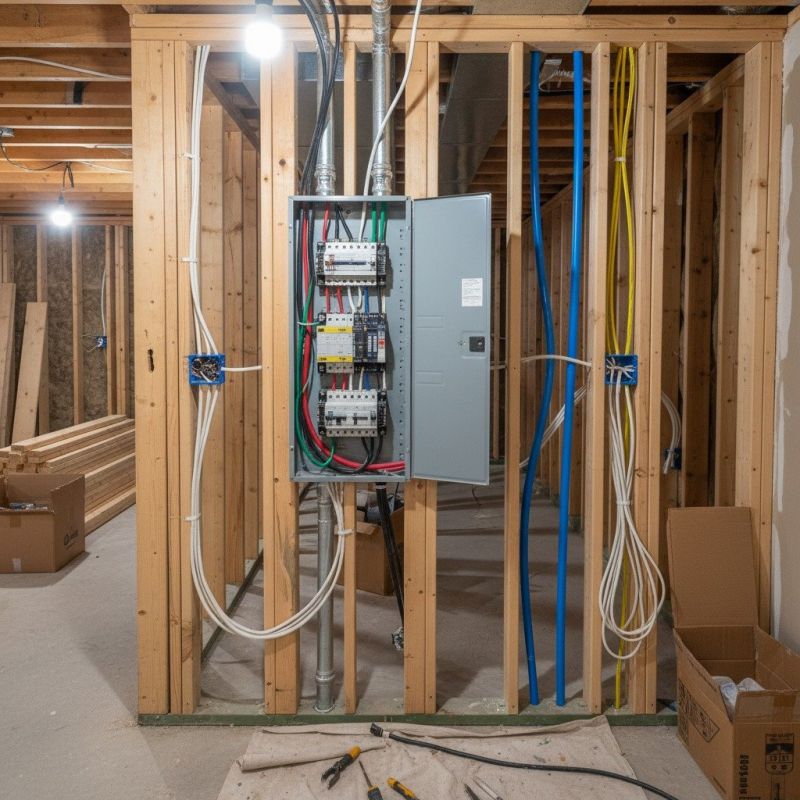
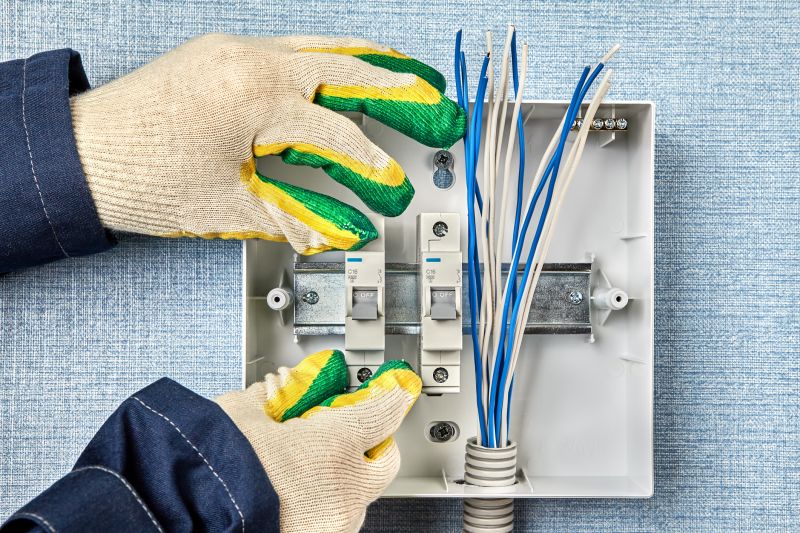
Electrical panel installation is a common project for property owners who are upgrading outdated systems, adding new appliances, or expanding their electrical capacity. Homeowners and business owners might seek local contractors to ensure their electrical panels are functioning safely and efficiently, especially when experiencing frequent circuit breaker trips or planning renovations that increase electrical demands. These projects often arise from the need to improve safety, accommodate new technology, or comply with updated electrical codes, prompting property owners to look for reliable local service providers.
In many cases, property owners turn to local contractors for panel upgrades during major home improvements, such as kitchen remodels or additions, where existing electrical systems may no longer meet the property's needs. Additionally, new property construction or electrical system repairs can lead owners to seek professional installation services to ensure the panels are installed correctly and safely. Connecting with experienced local service providers can help property owners address these everyday situations with qualified assistance tailored to their specific electrical needs.
What is involved in electrical panel installation? Electrical panel installation includes replacing or upgrading the main electrical panel to accommodate electrical system needs, ensuring proper wiring, and connecting circuits safely.
Why should I consider upgrading my electrical panel? Upgrading your electrical panel can improve safety, support increased electrical demand, and help prevent electrical issues caused by outdated or overloaded panels.
How do local contractors determine the right electrical panel for my home? Contractors assess your home's electrical load, existing wiring, and future power needs to recommend an appropriately sized and compatible electrical panel.
Are there different types of electrical panels available? Yes, there are various types such as main breaker panels, main lug panels, and subpanels, each suited for different installation requirements and system configurations.
What should I look for when choosing a service provider for electrical panel installation? Consider experience with electrical panel work, reputation, and the ability to connect you with local contractors who can handle your specific installation needs.
Upgrade Electrical Panels - Property owners can improve safety and accommodate new appliances by installing a modern electrical panel with increased capacity.
Electrical Panel Repairs - Local contractors can help restore power and ensure safety after electrical issues or damage occur in a property.
Panel Replacements for Renovations - During home or office renovations, replacing outdated panels can support the installation of additional circuits and new wiring.
Adding Subpanels - Property owners expanding their space or adding new rooms can use subpanels to distribute electricity efficiently without overloading the main panel.
If you are thinking about Electrical Panel Installation for a property, this guide is meant to help you understand the work, the typical project types, and how different options might fit your plans.
When you are ready, you can use the quote form on this page to share a few details about your project. From there, local pros can review the basics and respond with options that match what you have in mind.